

Centering Health Equity
Podcast
Conversations on reducing bias in healthcare
Latest Episodes
Featured
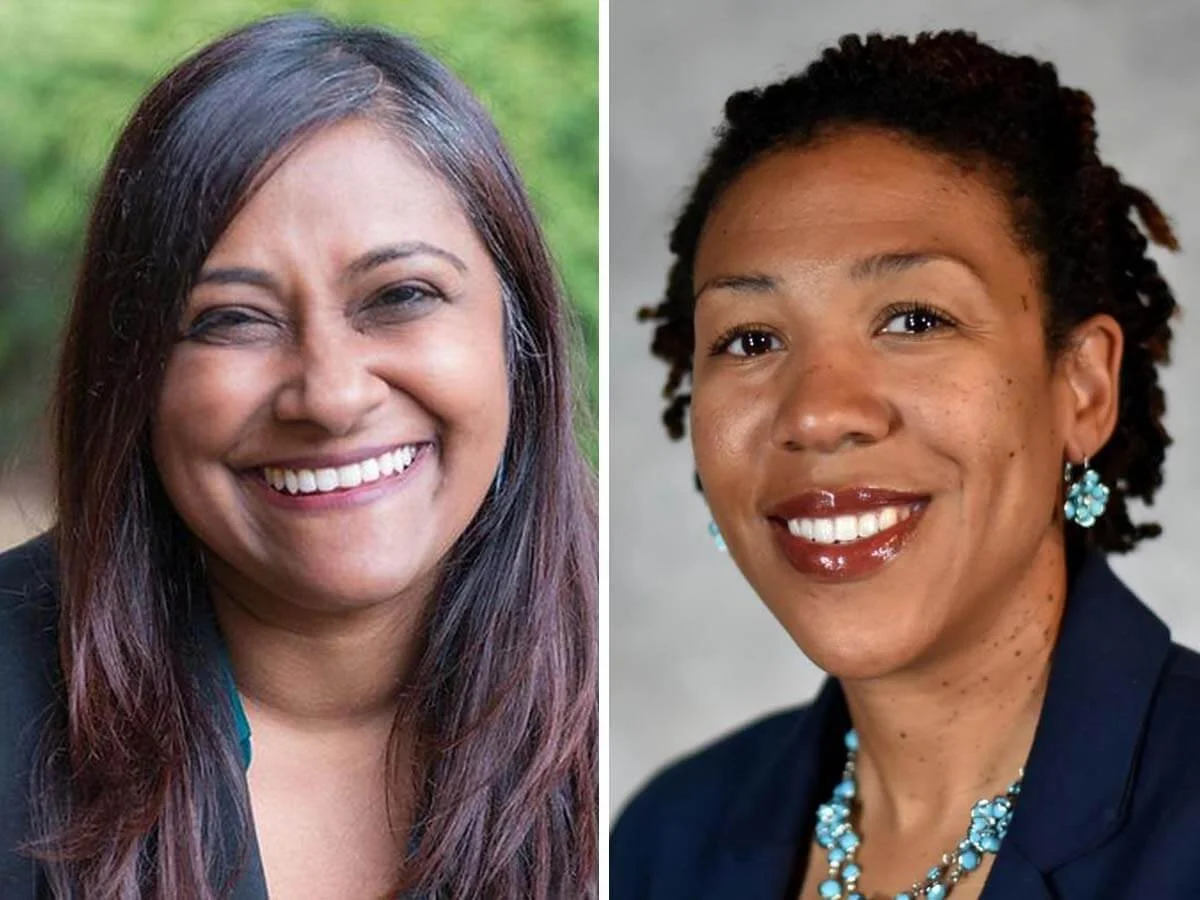
In this episode of Centering Health Equity, our distinguished guests Dr. Somava Saha and Dr. Danica Sumpter speak about why healthcare organizations must look beyond individual bias training to tackle systemic racism. We discuss how operational practices—from billing and algorithms to resource distribution—drive health disparities, and they urge leaders to move from blame to "critical love" by sharing power with marginalized communities to build truly restorative healthcare systems.
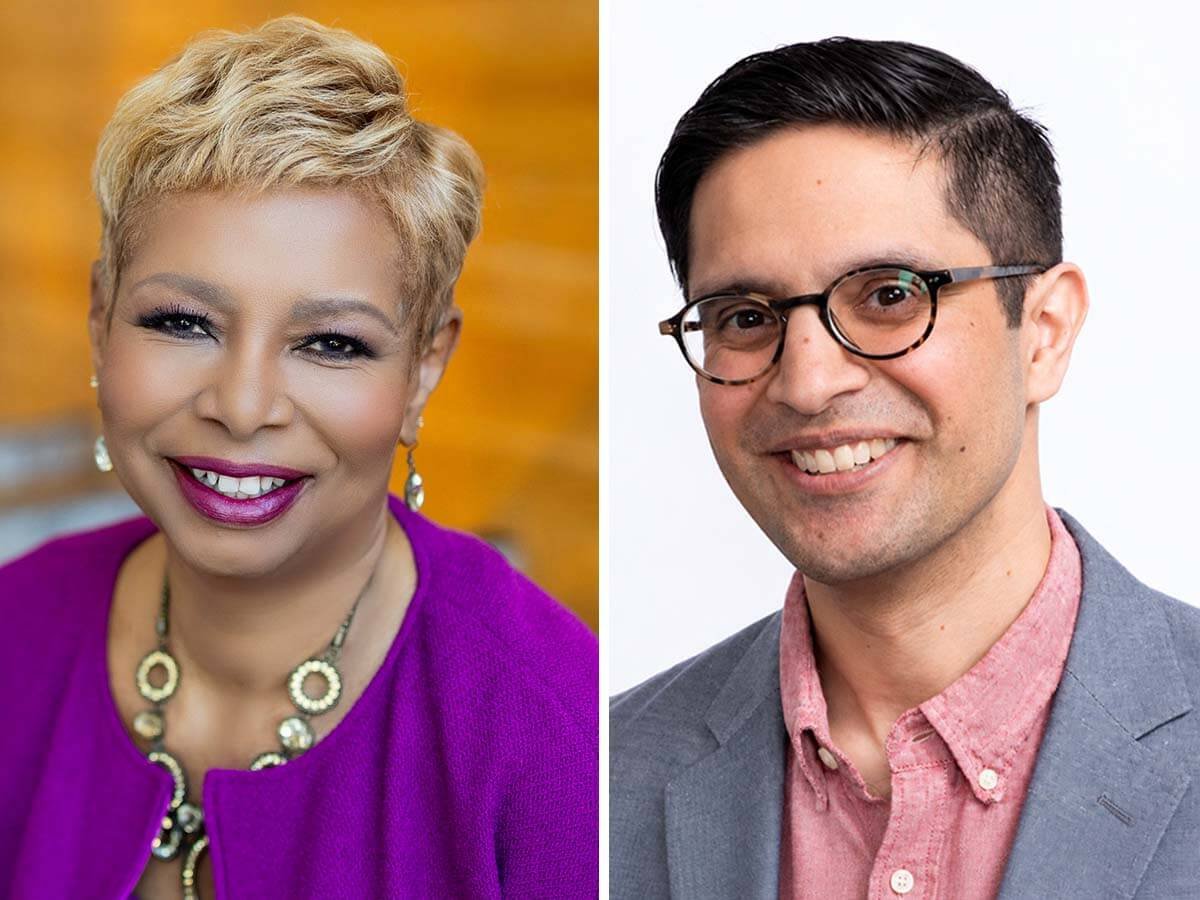
In this episode of Centering Health Equity, we were joined by Dr. Giridhar Mallya of the Robert Wood Johnson Foundation and Dr. Karen McNeil-Miller of the Colorado Health Foundation to explore how philanthropy is responding to federal funding cuts, growing resistance to health equity initiatives, and the resulting challenges facing public health and community-based organizations. The conversation examines the real-world consequences of reduced funding, including lost research data, diminished healthcare access, and threats to trusted community programs, while highlighting how foundations, nonprofits, and legal advocates are sustaining essential services through collaboration, strategic funding, legal support, and narrative change.
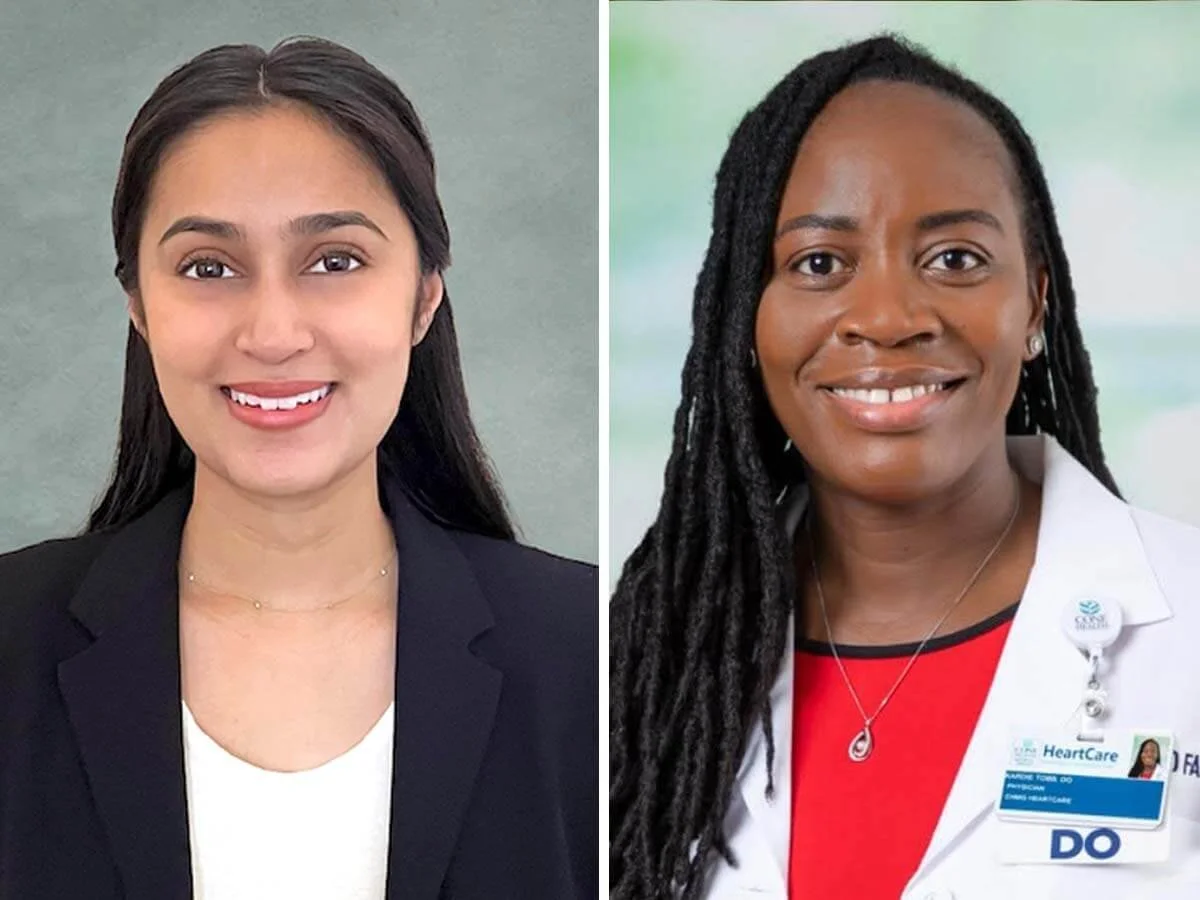
This episode explores the disproportionate impact of heart disease on Black communities, highlighting how structural inequities, chronic stress, social drivers of health, and systemic bias contribute to poorer cardiovascular outcomes beyond genetics alone. Expert guests Dr. Kardie Taub and Dr. Himika Rahman discuss practical solutions—including community partnerships, culturally competent care, data-driven accountability, and policy reforms—to reduce disparities, rebuild trust in healthcare, and advance health equity.